AI Video Ethics: Copyright, Deepfakes and How to Disclose AI Content
What creators need to know about using AI video responsibly: likeness rights, copyright questions, platform rules and honest labelling.

By Sixtus
Sep 29, 2026 · 2 min read

AI video tools are powerful, and with that power comes responsibility. As a creator, understanding the ethical and legal side of AI content protects your audience, your reputation and your channels. This is not legal advice, but a practical overview of the issues I think every creator should consider.
Never use real people's likeness without permission
Creating realistic videos of real people saying or doing things they never did can harm them and mislead viewers. Many platforms and jurisdictions restrict this. My personal rule is simple: I do not generate realistic depictions of real, identifiable people without their clear permission.
Understand copyright basics
Copyright rules for AI-generated content are still evolving and differ between countries. A few practical principles help:
- Avoid prompting for copyrighted characters, logos or the exact style of living artists in commercial work.
- Read the terms of every tool you use; they explain who owns the output and how you can use it commercially.
- Keep records of your prompts, edits and creative decisions.
- Use licensed music and sound effects.
Follow platform rules
YouTube, TikTok, Instagram and others ask creators to label realistic synthetic or altered content, especially when it could be mistaken for real events. Breaking these rules can lead to reduced reach or removal. Check each platform's current policy before publishing.
Disclose honestly
Disclosure does not make your work less impressive. A short line such as "Visuals created with AI tools" in your description, or the platform's built-in label, is usually enough. Audiences reward honesty.
Avoid misleading content
Do not use AI to create fake news, fake testimonials, fake product results or content designed to deceive. Beyond being unethical, it damages trust in the whole creator community.
Think about representation
AI models can reproduce stereotypes from their training data. Review your outputs critically and be intentional about how you represent people from different backgrounds.
A simple ethics checklist
- Could this video mislead someone about a real event or person?
- Do I have the right to use every element in it?
- Have I disclosed AI use where it matters?
- Would I be comfortable if the people depicted saw it?
Responsible creators will shape how society sees AI video. Let us make sure the story is a positive one.
About the author
Sixtus is an entrepreneur and AI video creator building digital businesses, including the ShopAt marketplace. He shares tested workflows and honest lessons here. More about Sixtus.
Related Articles
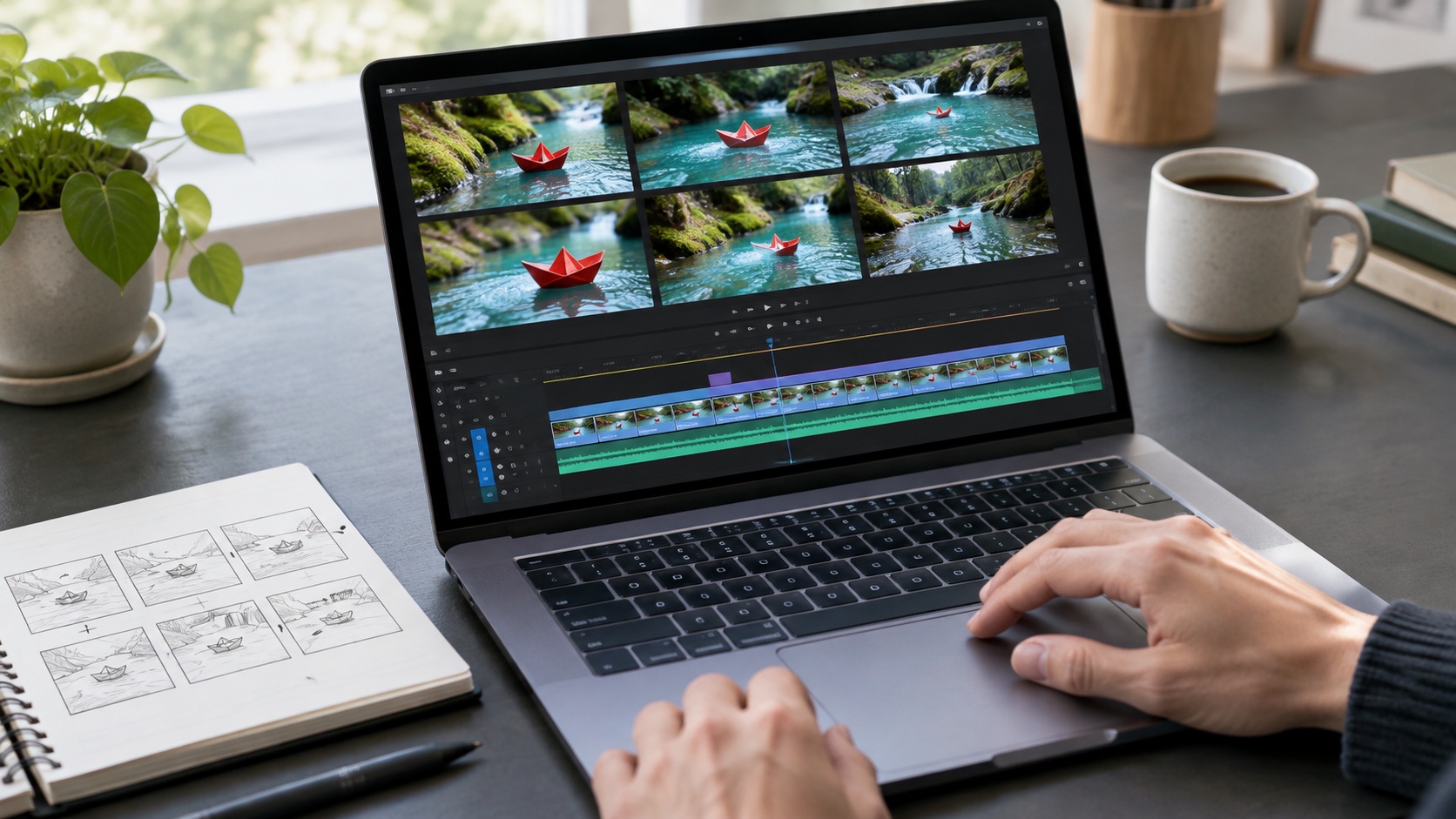
From Idea to Upload: Plan Your First 30-Second AI Video
A practical, shot-by-shot guide to turning one simple idea into a coherent vertical video, with sample narration, consistent prompts, editing checks, and responsible publishing advice.
Nov 22, 2026 · 6 min read
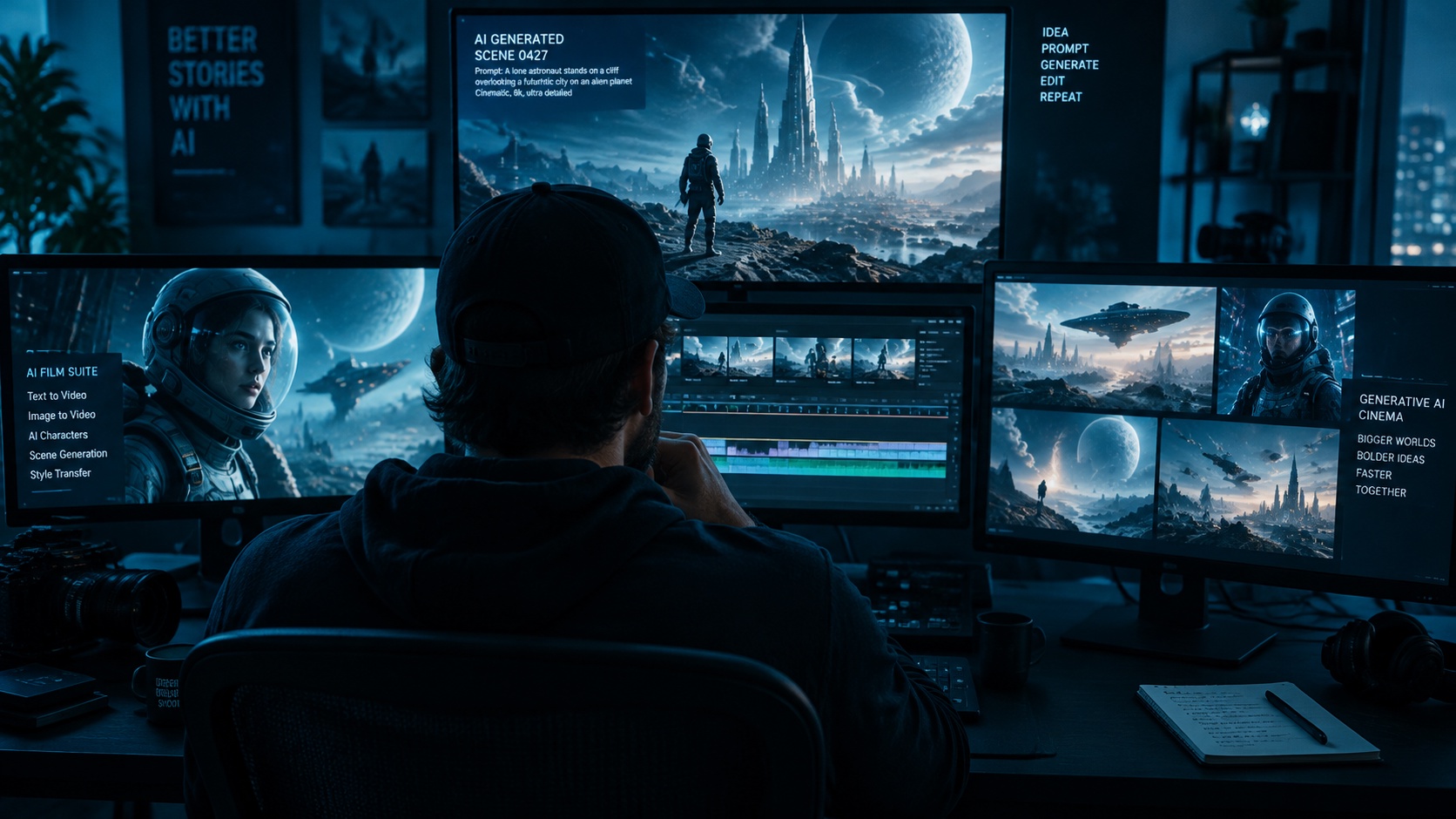
How I Created a Cinematic AI Short Film: Tools, Prompts and My Workflow
A complete behind-the-scenes breakdown of how I wrote, generated, edited and scored a three-minute sci-fi short film using only AI tools and a laptop.
Nov 18, 2026 · 4 min read
The Best AI Video Generators in 2026: An Honest Comparison
I tested the most popular AI video generators on the same set of prompts. Here is how they compare on quality, control, speed and price.
Nov 12, 2026 · 2 min read