Perplexity AI: Features, Pricing and Limitations (A Detailed Review)
An in-depth look at Perplexity AI as a research tool for entrepreneurs and creators: what it does well, where it falls short and who should use it.

By Sixtus
Nov 3, 2026 · 2 min read

Perplexity AI has become one of the most popular AI research tools, positioning itself as an "answer engine" rather than a traditional search engine. I have used it daily for research on articles and business decisions. This review covers what it does well, where it falls short and who it is best for. Features and pricing change often, so always check the official website for current details.
What is Perplexity AI?
Perplexity combines a large language model with live web search. You ask a question in plain language, and it returns a written answer with numbered citations linking to its sources. You can then ask follow-up questions in the same thread.
Key features
- Cited answers: every answer links to the web pages it used, so you can verify claims.
- Follow-up questions: it remembers the context of your conversation.
- Focus modes: you can narrow searches to specific types of sources, such as academic papers or discussions.
- File analysis: you can upload documents and ask questions about them.
- Collections or spaces: organise research threads by project.
Pricing overview
Perplexity offers a free tier that is enough for casual research and a paid plan that unlocks more advanced models, higher usage limits and additional features such as larger file uploads. For heavy users who research every day, the paid plan is usually worth it; for occasional use, the free tier is generous.
What it does well
- Speed: it turns a 20-minute search session into a two-minute overview.
- Transparency: citations make it far easier to check information than tools without sources.
- Starting points: it is excellent for getting oriented in an unfamiliar topic.
Limitations
- Citations are not proof. Sometimes the cited page does not fully support the claim. Always click through and read the source.
- Source quality varies. It may cite low-quality websites alongside authoritative ones.
- Recent events can be incomplete or inaccurate.
- It can sound confident even when information is uncertain.
How I use it in my workflow
I use Perplexity to map a topic, collect potential sources and generate questions I had not considered. I then read the original sources myself, take notes and write in my own words. It is a research assistant, not an author.
Who should use it?
- Entrepreneurs researching markets and competitors.
- Writers and creators who need quick background on topics.
- Students, as long as they verify and cite original sources.
Verdict
Perplexity is one of the most useful AI tools for research, mainly because it shows its sources. Use it to move faster, but keep your critical thinking switched on.
About the author
Sixtus is an entrepreneur and AI video creator building digital businesses, including the ShopAt marketplace. He shares tested workflows and honest lessons here. More about Sixtus.
Related Articles

7 AI Tools I Use to Run My Online Business
The AI tools that save me hours every week across writing, research, design, customer support and analytics, and how I use each one.
Nov 7, 2026 · 2 min read

How to Start an Online Business with AI: A Step-by-Step Guide
A practical roadmap for validating an idea, building a simple product and finding your first customers using AI tools, without a big budget.
Nov 4, 2026 · 2 min read
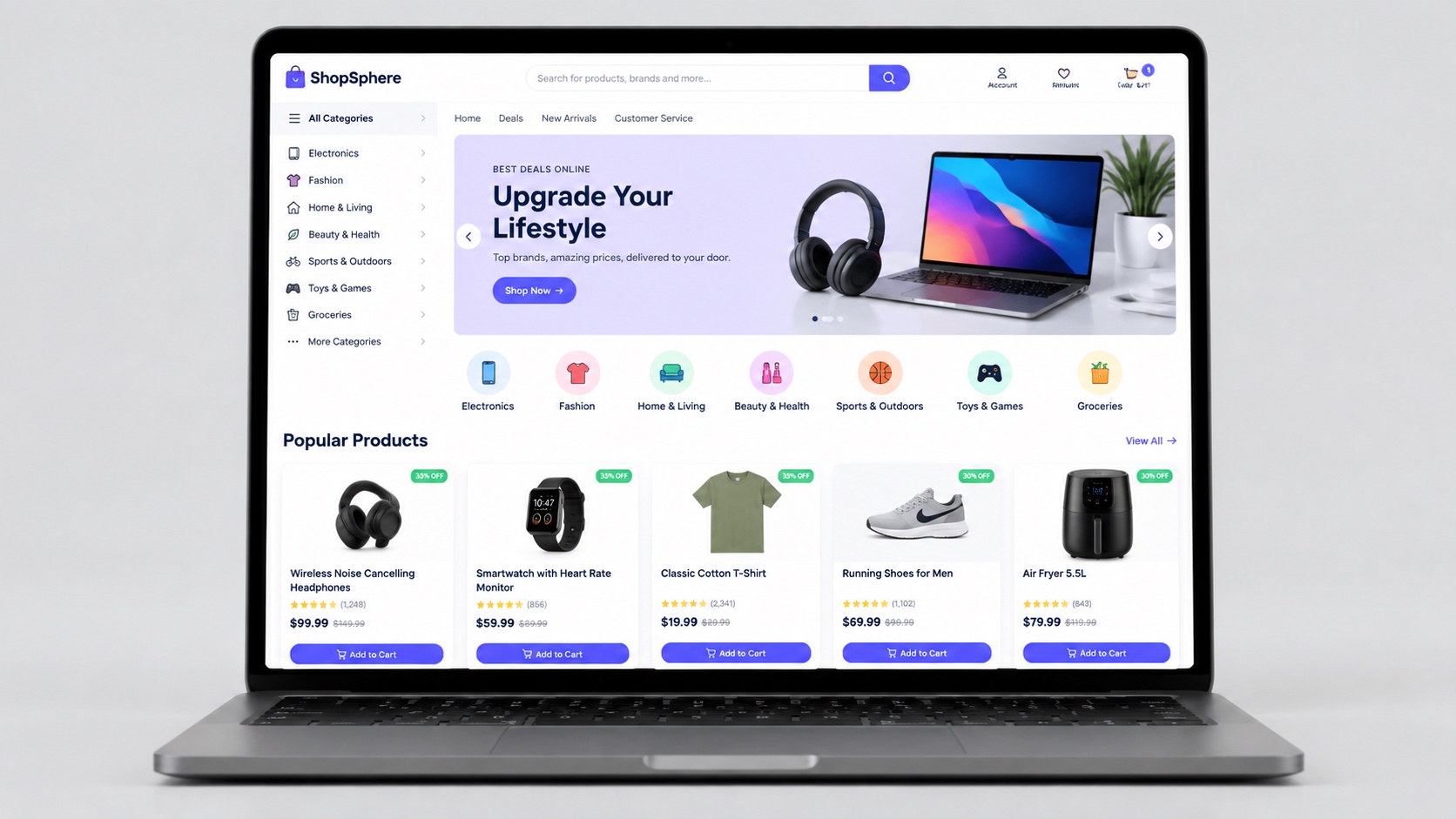
Lessons from Building ShopAt, a Nigerian Online Marketplace
What I learned about trust, payments, logistics and using AI while building an online marketplace for Nigerian buyers and sellers.
Oct 25, 2026 · 2 min read